
- Floating on your back improves safety and relaxation: It keeps your face above water if you get tired and provides a calm, stress-relieving experience.
- Preparation is key: Choose a calm pool, wear comfortable swimwear, and adopt a relaxed mindset before attempting to float.
- Follow a step-by-step approach: Start in shallow water, relax your body, find balance, use gentle movements, and practice rhythmic breathing.
- Confidence builds gradually: Begin with short sessions, use flotation aids if needed, practice regularly, and celebrate small milestones.
- Avoid common mistakes: Tensing muscles, poor head or limb positioning, and overkicking can make floating difficult or uncomfortable.
- Use tools and practice consistently: Pool noodles, kickboards, and short, frequent practice sessions improve skill and comfort in the water.
- Floating benefits extend beyond swimming: It enhances body awareness, core strength, mental focus, relaxation, and confidence in various water environments.
Floating on your back is one of the most relaxing and empowering skills you can learn in the water. Whether you’re a beginner swimmer, someone who wants to feel more confident in the pool, or just looking for a way to unwind, floating on your back gives you control, safety, and a sense of calm. This guide will walk you through how to float on your back safely, build confidence, and enjoy the pool like never before.
Why Floating on Your Back Is Important
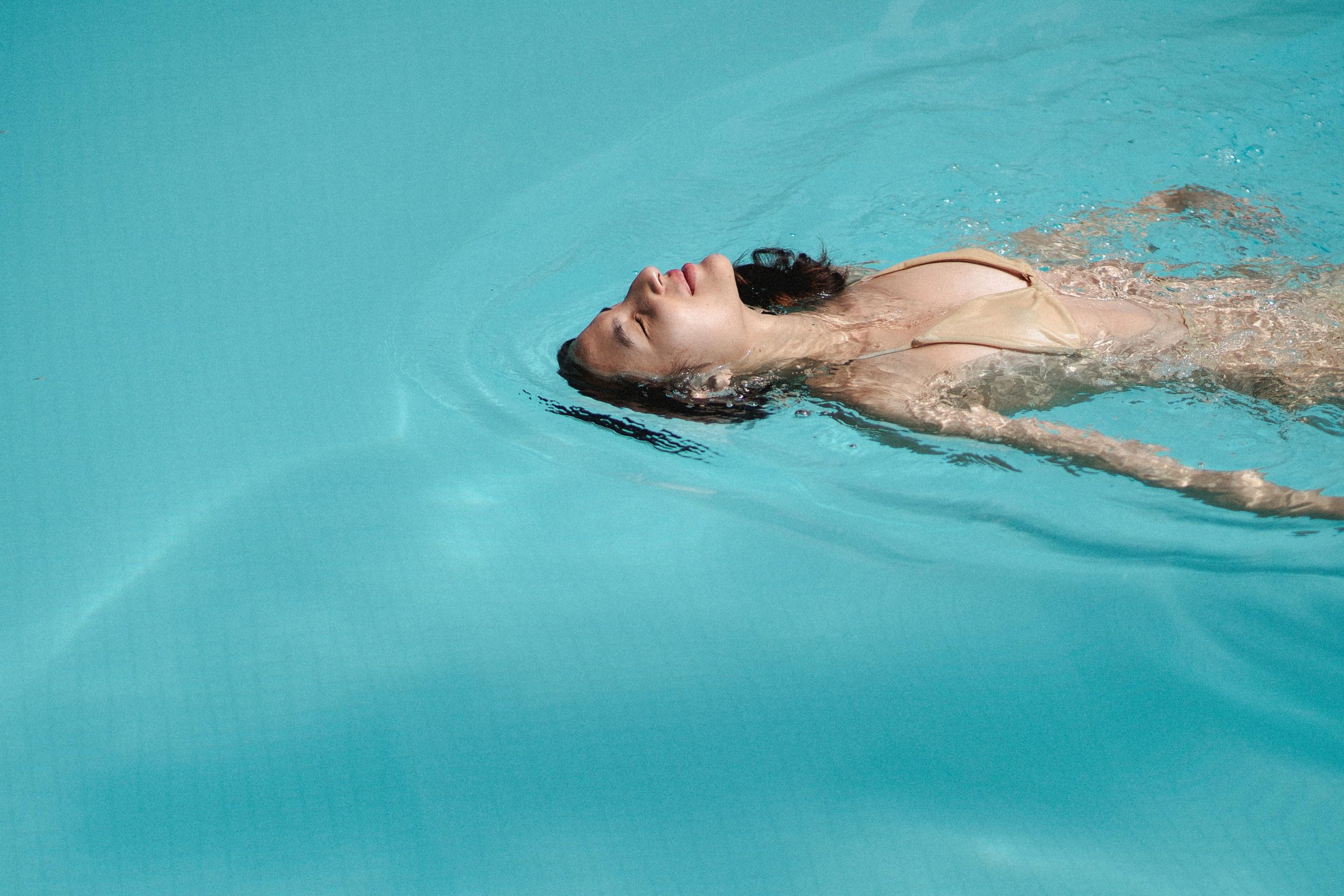
Floating on your back is more than just a fun skill—it’s a critical part of swimming and water safety. Here’s why:
- Safety: If you ever get tired or caught in a current, floating on your back can keep your face out of the water while you regain energy.
- Relaxation: It’s a natural stress reliever and a great way to decompress after a swim.
- Confidence: Mastering this skill can reduce fear and anxiety in the water, helping you feel in control.
- Foundational Skill: Floating is the building block for other swimming techniques like backstroke and treading water.
Understanding its importance can motivate you to practice and improve gradually.
What You Need Before You Start Floating
Before you attempt to float on your back, preparation is key. Here’s what will make the experience safer and more effective:
- A calm pool: Choose a pool with calm water, preferably shallow at first.
- Comfortable swimwear: Tight-fitting swimwear ensures freedom of movement.
- Optional flotation aids: Kickboards, noodles, or life vests can help beginners.
- Relaxed mindset: Anxiety or tension can make floating much harder, so take a few deep breaths before trying.
Having the right environment and mindset sets you up for success.
Step-by-Step Guide: How to Float on Your Back Safely
Floating on your back might seem intimidating at first, but breaking it down step by step makes it easier.
Step 1: Start in Shallow Water
Begin in a part of the pool where you can stand comfortably. This gives you confidence and allows you to quickly get your feet on the floor if needed.
Step 2: Relax Your Body
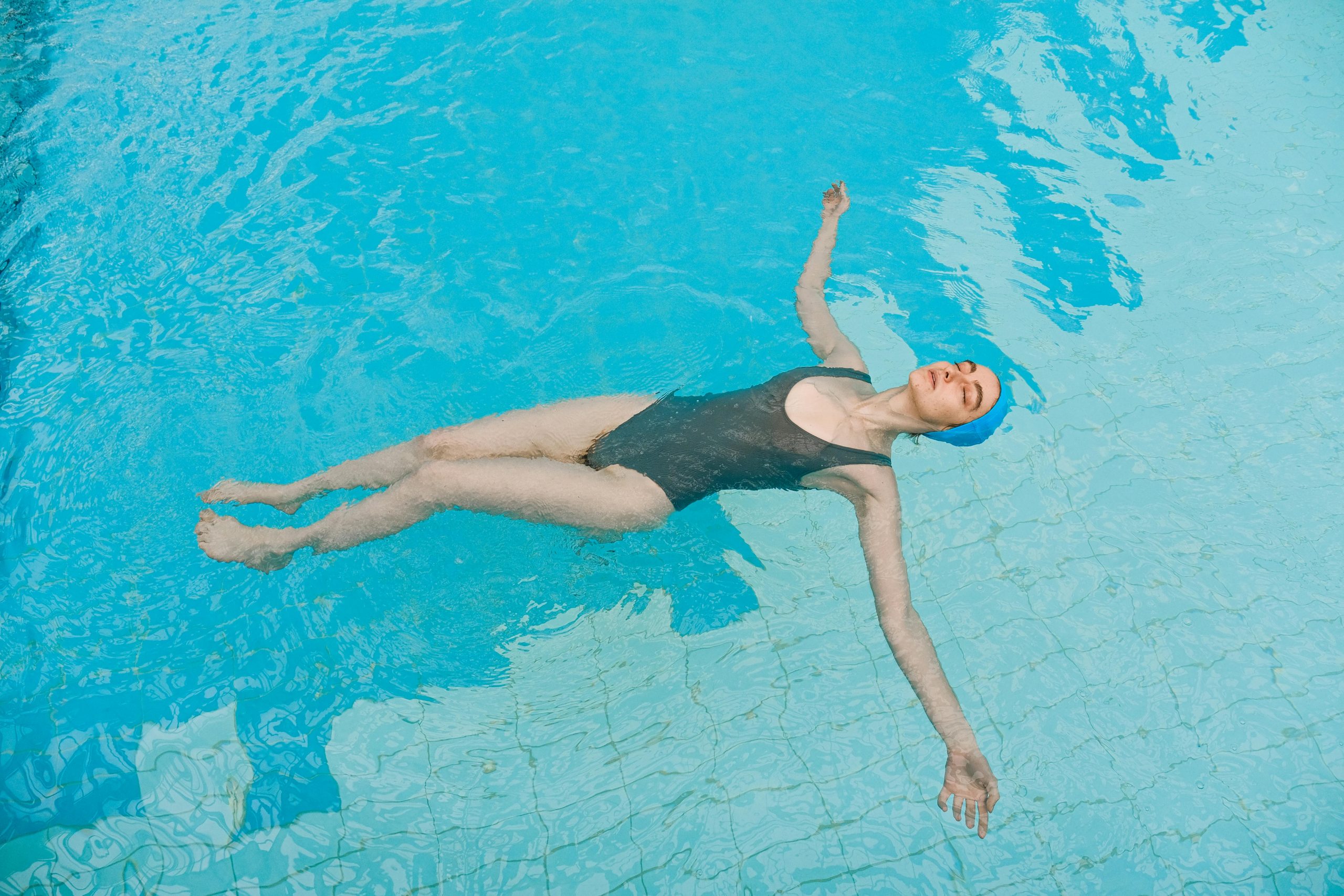
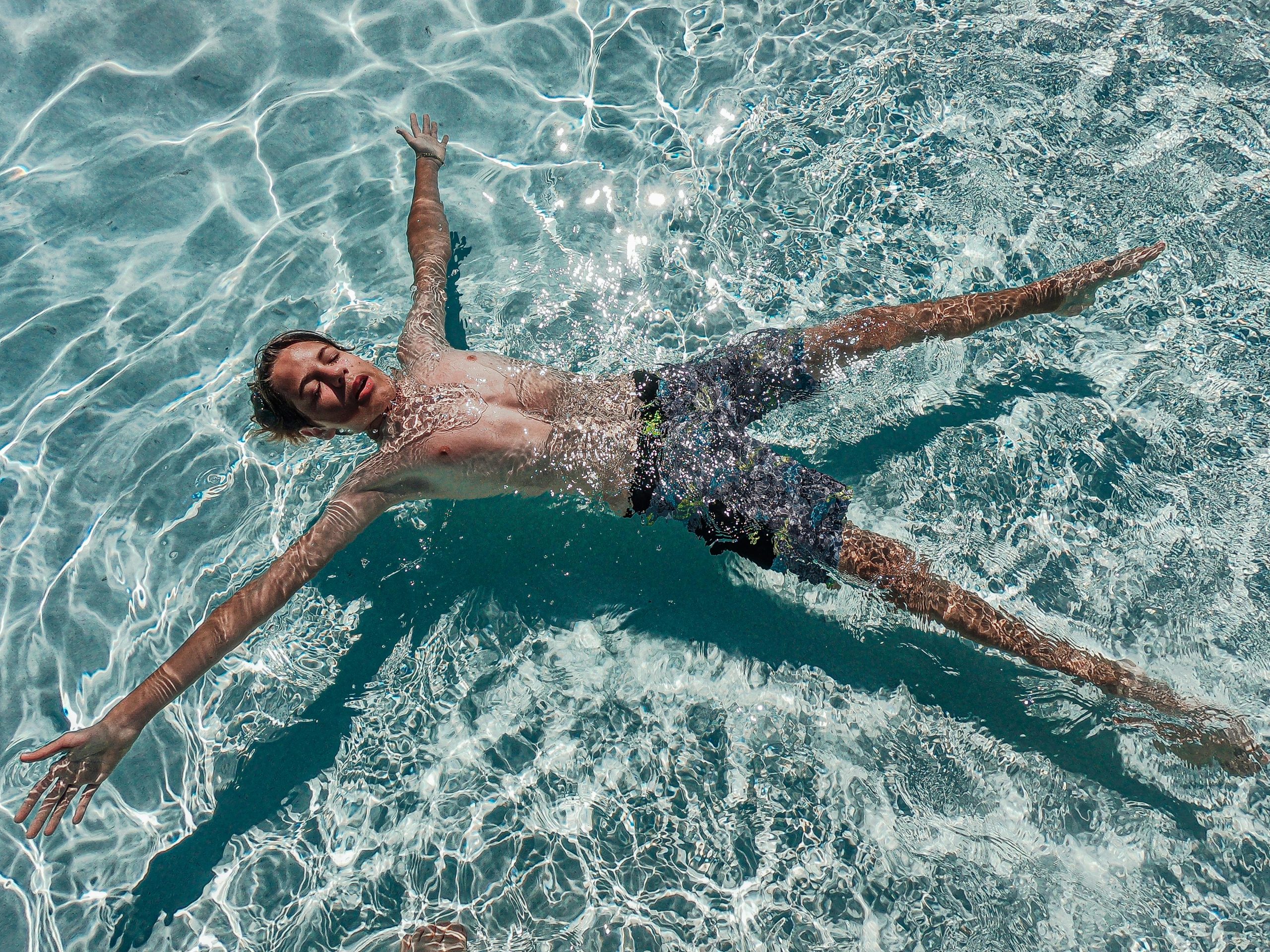
- Let your arms fall to your sides or stretch slightly outwards.
- Keep your legs straight but relaxed, slightly apart.
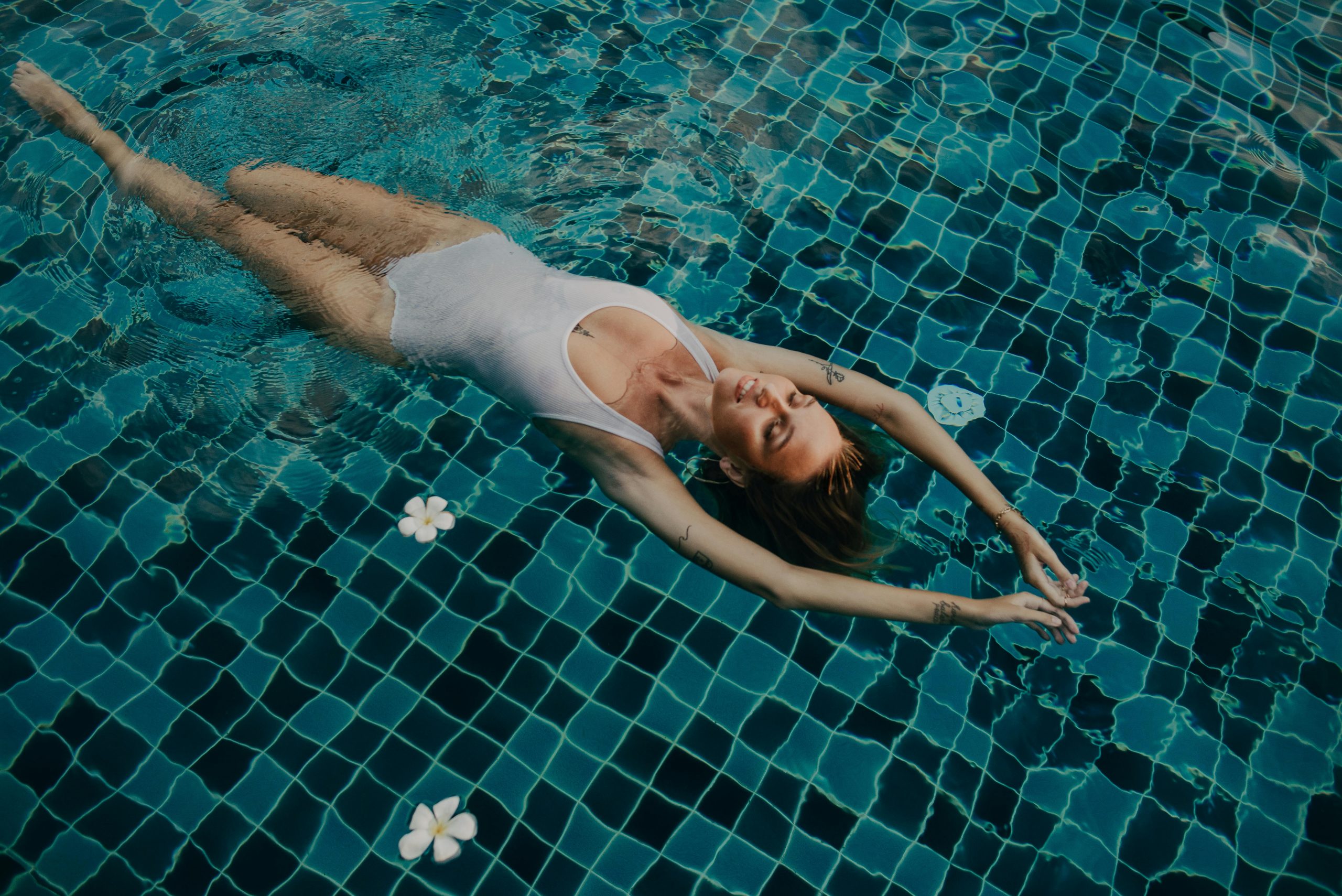
- Tilt your head back so your face is above the water, and breathe slowly.
Relaxation is crucial—tense muscles make you sink.
Step 3: Find Your Balance
- Slowly lean backward into the water.
- Allow the water to support your body weight.
- Focus on keeping your body flat and your hips near the surface.
Small adjustments can help you maintain balance while floating.
Step 4: Use Your Arms and Legs Gently
- Paddle lightly with your hands if you feel yourself tipping.
- Flutter your feet softly to maintain stability.
- Avoid overusing limbs; gentle movements are enough.
Remember, floating is about support, not swimming.
Step 5: Practice Breathing
- Take slow, deep breaths.
- Let the water buoy your body as you inhale and exhale calmly.
- Breathing rhythmically can help you relax and float longer.
Focusing on your breath also reduces anxiety in the water.
Common Mistakes When Floating on Your Back
Even beginners who follow instructions can make small mistakes. Being aware of them can prevent frustration:
- Tensing up: Holding your body stiffly can cause sinking.
- Head too far back or forward: This can tilt your body, making floating difficult.
- Arms too close or too stiff: Keep them relaxed and slightly out.
- Legs together or kicking too hard: Slight separation and gentle fluttering work best.
Avoiding these mistakes will help you float comfortably and safely.
How to Build Confidence in the Pool
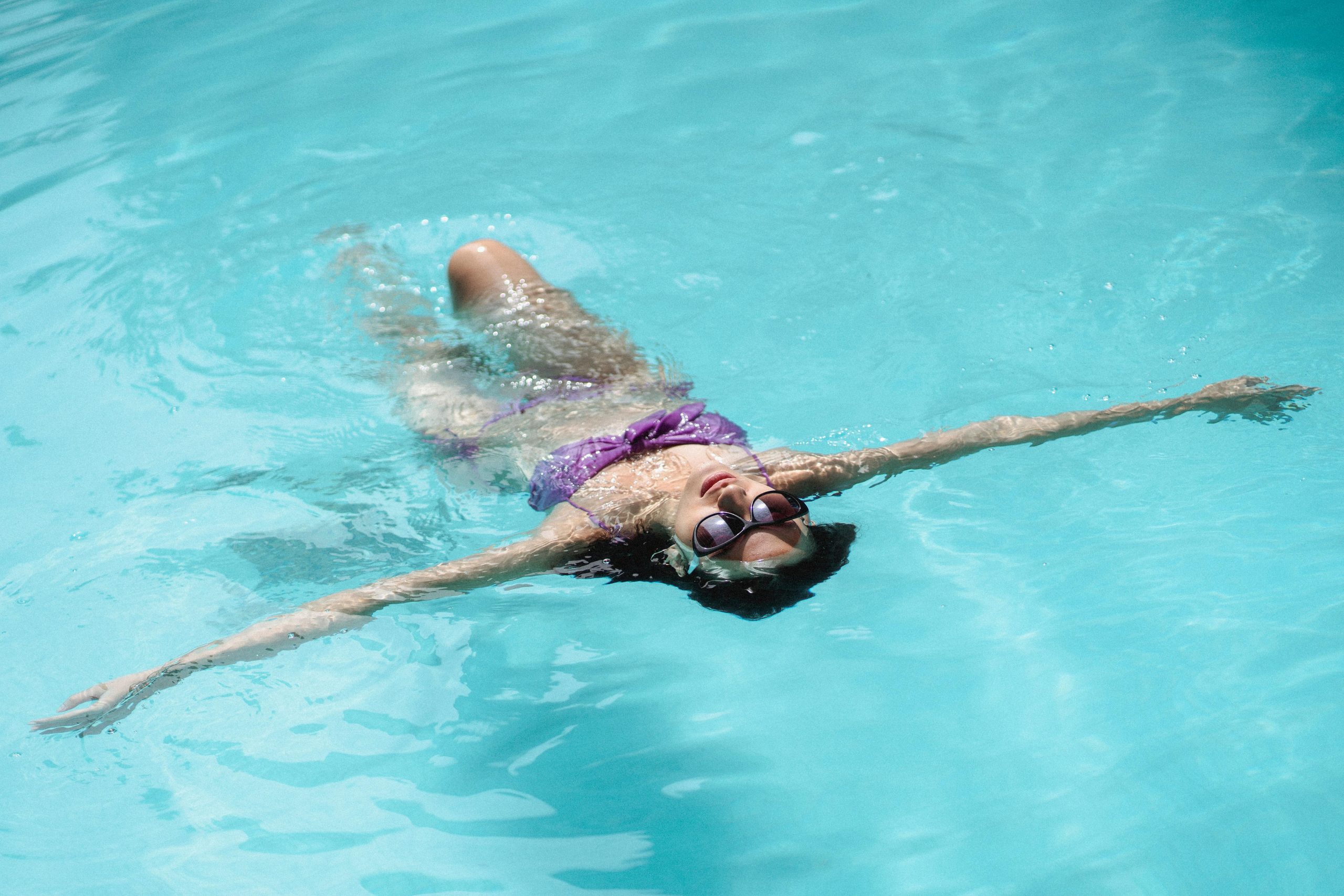
Confidence in the water comes from gradual exposure and practice. Here are some tips:
- Start small: Practice for a few seconds at a time to learn how to float in a pool.
- Use flotation aids if needed: Noodles or kickboards provide extra support.
- Practice regularly: Frequent, short practice sessions are better than rare, long sessions.
- Focus on breathing: Calm, slow breaths keep your body relaxed.
- Set small goals: Celebrate small milestones, like floating for 10, 20, or 30 seconds.
Building confidence is just as much mental as it is physical.
Can Children Learn to Float on Their Back?
Absolutely! Floating is a skill that children can learn early with the right guidance.
- Supervision is essential: Always practice with an adult nearby.
- Start with playful exercises: Let them lie back while holding a pool noodle.
- Encourage gentle kicking: Helps them maintain balance.
- Positive reinforcement: Praise their efforts to boost confidence.
Teaching kids to float can improve their water safety skills significantly.
Advanced Tips for Comfortable Floating
Once you’re comfortable with basic floating, these tips can make it even easier:
- Arch slightly at the lower back: This helps keep your hips up.
- Use small arm circles: Maintains stability without tiring your arms.
- Relax your jaw and face: Reduces tension in your neck.
- Float in different water conditions: Practice in deeper or slightly choppier water to improve adaptability.
Advanced tips allow longer, more relaxed floating sessions.
How Floating Helps with Swimming Skills
Floating on your back isn’t just a survival technique—it enhances overall swimming ability:
- Improves body awareness and balance in water.
- Builds core strength, which is essential for strokes.
- Reduces fatigue, helping you swim longer distances.
- Provides a mental break during intense swimming sessions.
Regular practice of back floating complements other swimming techniques.
Overcoming Fear of Floating
Fear is a natural barrier for beginners. Here’s how to overcome it:
- Start in shallow water: Always be able to touch the bottom.
- Practice with a buddy: Knowing someone is nearby increases comfort.
- Focus on the water supporting you: Trust buoyancy, not muscle strength.
- Start with short durations: Gradually increase time as comfort grows.
- Visualize success: Imagine yourself floating effortlessly.
Confidence grows each time you face and overcome your fear.
How Long Can You Float?
Your floating duration depends on skill, body composition, and relaxation. Beginners might float for a few seconds to a minute, while experienced swimmers can float for several minutes with ease. Key factors for longer floats:
- Relaxed muscles
- Controlled breathing
- Minimal unnecessary movements
It’s perfectly normal for floating time to increase gradually with practice.
Tools That Can Help You Float
While it’s best to learn without aids, some tools can make the process easier:
- Pool noodles: Great for support and stability.
- Kickboards: Useful for practicing arm positioning.
- Inflatable floats: Helps beginners focus on balance and breathing.
- Swim vests or belts: Provide buoyancy for nervous swimmers.
These tools can gradually be phased out as confidence grows.
How Often Should You Practice Floating?
Consistency is more important than duration. Tips for practice frequency:
- Short daily sessions: 5–10 minutes is effective.
- Focus on technique over time: Quality matters more than quantity.
- Combine with swimming practice: Alternate floating with gentle strokes.
- Track progress: Note improvements in time and comfort.
Regular practice ensures steady skill development.
Overcoming Common Floating Challenges
If you’re having trouble, don’t worry—many beginners encounter these common challenges:
- Sinking legs: Arch slightly at the hips, relax your core.
- Head tipping forward: Tilt head back gently, keep ears submerged.
- Feeling tense or panicked: Pause, breathe deeply, and try again.
- Difficulty staying balanced: Slight arm or leg movements can help.
Patience and small adjustments solve most floating challenges.
Benefits Beyond the Pool
Floating on your back has benefits outside swimming:
- Stress reduction: The gentle support of water promotes relaxation.
- Meditation and mindfulness: Floating encourages focus on breathing and body awareness.
- Muscle relaxation: Relieves tension in the back, shoulders, and neck.
- Confidence in new water environments: Lakes, rivers, or oceans feel less intimidating.
Floating becomes not just a swimming skill but a lifestyle tool.
Frequently Asked Questions About Floating on Your Back
Q: Do I need to be a strong swimmer to float?
A: Not at all! Floating relies on relaxation and buoyancy, not strength.
Q: Can I float if I’m overweight or underweight?
A: Yes. Everyone floats differently, but nearly all body types can float with practice.
Q: How can I breathe without swallowing water?
A: Keep your face tilted back, breathe slowly, and avoid sudden movements.
Q: Is it safe to float in deep water alone?
A: Beginners should avoid floating alone in deep water. Always have supervision.
Q: How can I improve my balance while floating?
A: Gentle arm or leg movements, relaxation, and practicing in shallow water help improve stability.
Final Thoughts
Learning how to float on your back safely and gain confidence in the pool is a skill that pays off in relaxation, safety, and overall swimming ability. Start slow, stay relaxed, and practice regularly. Remember that confidence in the water comes from small, consistent steps, and each time you float, you’re building both skill and self-assurance.
Floating is more than a survival technique—it’s a way to enjoy the water, relieve stress, and feel completely at ease. With patience and persistence, anyone can float confidently and safely.